
Effort Versus Impulse
The Reason I JumpThis flow traces the tension between Naoki Higashida's wish to comply and the bodily or mental impulses that can overtake deliberate intention.
increasing Bearing strength in each event
 decreasing
Bearing strength in each eventdecreasingThe Repeated Correction

The Repeated Correction
Knowing the rule
Naoki Higashida describes doing things he has repeatedly been told not to do. He understands the correction and feels terrible when he is reprimanded.
An impulse returns
When another opportunity arrives, the earlier warning may no longer control his action. The pattern can look like naughtiness from outside even as he experiences it as something pushing him along.
Starting Is a Separate Task
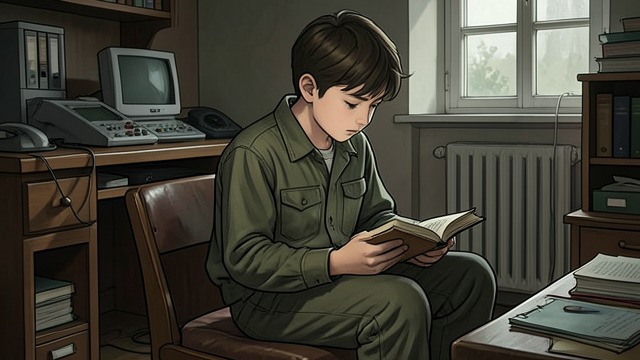
Starting Is a Separate Task
An internal sequence
Naoki Higashida says he must think about an action, picture how to do it, and encourage himself to begin. A task that looks straightforward to someone else can depend on every stage going smoothly.
Desire without movement
At times he wants to act but cannot bring his body into action. The gap between intention and execution makes ordinary instructions a source of distress.
The Prompt Rule

The Prompt Rule
A cue to begin
Naoki Higashida describes knowing what he should do next but being unable to start until someone gives the right prompt. The cue functions like a signal that allows the action to switch on.
Fear of acting unaided
Trying to proceed without the expected prompt can feel terrifying. He asks for support through this difficulty rather than interpreting the delay as defiance.
Movement Against Stillness

Movement Against Stillness
Motion as security
Naoki Higashida says that stillness can make him feel as if his soul is detaching from his body. Moving gives him a small measure of relaxation and an imagined way out of feeling trapped.
Learning limits
He eventually understands that there are occasions when he is expected to stay still. Practice may help him learn, but a simple command to calm down does not address why movement feels necessary.
Effort to Resist the Loop

Effort to Resist the Loop
Knowing and doing diverge
Naoki Higashida can know that an action is unwanted and still feel driven to repeat it. The repeated sequence can bring an intense sense of relief that ordinary reasoning does not quickly dislodge.
Help without surrender
He asks for patience, guidance, and love while acknowledging that others may need to stop harmful behavior. The conflict calls for both practical limits and recognition of the effort involved.
early in the answers about doing forbidden things
in the answer about acting on instructions
in the later answers about cues and prompts
in the answer about restlessness
near the end of the answers about repeated behavior
